
Visits by a pest control company in Spring Hill are often scheduled quarterly, but the right frequency depends on the property, the pest, the season, and what has already been found. A home with an active infestation may need several closely timed treatments at first. Another home may do well with seasonal prevention and monitoring. The useful question is not how often every house should be treated. It is how often your house needs inspection and protection based on real conditions.
- Start with the pest, not a preset calendar
- When does a pest control company in Spring Hill recommend more frequent visits?
- Quarterly service is common, but it is not a magic number
- Prevention inside and outside affects the schedule
- What a useful service visit should include
- Build the schedule around evidence
- FAQs
Start with the pest, not a preset calendar
Different pests behave differently. Ants may follow moisture or food into a kitchen and build colonies beyond the visible trail. Spiders often appear where other insects provide a food source. Wasps are strongly seasonal, while mice may seek shelter as outdoor conditions change. A treatment interval that makes sense for one problem may be excessive or ineffective for another. An inspection should identify the pest as specifically as possible. That matters because products, placement, and follow-up timing vary. Spraying a few insects without locating entry points or nesting conditions can create a short pause rather than lasting control.
Ask what evidence supports the recommended schedule. A professional should be able to explain what was found, where activity is likely coming from, and when results should be reassessed. The plan may change as activity falls. That flexibility is a sign that the service is responding to the property rather than running on autopilot.
When does a pest control company in Spring Hill recommend more frequent visits?
Active infestations often require the closest follow-up. The first treatment may reduce exposed pests, but eggs, hidden colonies, or pests living in wall voids can remain. A return visit timed to the pest’s life cycle lets the technician evaluate progress and continue treatment where necessary.
Property conditions also affect frequency. Homes near wooded areas, fields, standing water, or heavy vegetation may experience more pressure. Gaps around utilities, worn door sweeps, crowded storage, and damp crawl spaces can give pests shelter and access. Multi-unit buildings may need coordination because activity can move between connected spaces.
Weather matters in Kansas. Warmth and moisture can increase insect activity, while temperature changes may push pests indoors. A good schedule anticipates predictable seasonal pressure but still adjusts to what technicians find during each visit.
Quarterly service is common, but it is not a magic number
Many homeowners choose quarterly Spring Hill pest control because it creates regular opportunities to inspect the exterior, refresh targeted protection, and spot changes before they become obvious indoors. Three months is a practical interval for many preventive plans, but it is not a guarantee that pests will never appear.
Some treatments remain effective for a limited period, and weather or landscaping can affect exterior applications. More important, homes change. A plumbing leak, roof repair, new mulch bed, or stored cardboard can create conditions that were not present at the last visit.
Between appointments, pay attention to new droppings, shed skins, damaged food packaging, insect trails, scratching sounds, webs, or unusual odors. Report changes promptly rather than waiting for the next routine date. With a pest control company in Spring Hill, early information helps the technician decide whether the plan needs an extra visit or a different approach.

Prevention inside and outside affects the schedule
Professional pest control in Spring Hill works better when the property offers pests fewer reasons to stay. Repair leaks, empty pet bowls overnight when practical, store pantry food in sealed containers, and remove trash regularly. Reduce clutter in basements, garages, and storage areas so signs are easier to see. Outside, keep branches and shrubs from pressing against the house. Move firewood away from the foundation and correct areas where water collects. Seal gaps around pipes, cables, doors, and windows with materials suited to the opening. Screens and door sweeps are simple, but they stop many common entry routes.
These steps do not replace treatment when an infestation is established. They reduce the factors that can undermine it. They may also allow a maintenance plan to become less intensive once activity is controlled.
What a useful service visit should include
A useful service visit should do more than apply a product and end. The technician needs to hear what you have noticed, inspect relevant areas, identify conducive conditions, and document treatment. If children, pets, gardens, or sensitive household members affect product choices, bring that up before service begins. Preparation for bed bug removal in Spring Hill may be more detailed than preparation for routine exterior service, so request written instructions.
Ask what you should expect afterward. Some pest activity may briefly increase as insects leave treated hiding places. Other situations call for immediate improvement. You should know which signs are normal, how long to wait, and when to call. If an exterminator in Spring Hill recommends repeated service, ask what will be measured. The answer might include trap counts, visible activity, new damage, or changes around entry points. Progress is easier to judge when everyone agrees on the evidence.
Build the schedule around evidence
There is little value in treating more often than the problem requires, and there is equal risk in waiting while an infestation grows. Start with a careful inspection, follow the initial treatment plan, and reassess based on activity. Preventive appointments can then focus on seasonal risks and early detection. Specific problems may need targeted help. For example, ant removal in Spring Hill may involve finding trails, food or moisture sources, and colony locations rather than relying on a general perimeter visit alone. The best pest control company in Spring Hill schedule is one you understand. You should know why each visit is timed as it is, what the technician is looking for, and what you can do between services. That turns pest control from a vague recurring expense into a practical plan for the property.
FAQs
Is monthly pest control always better than quarterly service?
Usually not. Monthly visits can be appropriate for severe activity or high-pressure properties, but many homes do not need that frequency long term. The pest, treatment method, and inspection findings should drive the interval.
Can I skip winter pest control?
It depends. Some insect activity slows, but rodents and other pests may seek indoor shelter. Winter can also be useful for sealing entry points and checking protected areas such as attics, garages, and crawl spaces.
Will a pest control company in Spring Hill treat inside every time?
Not necessarily. Once indoor activity is controlled, some plans emphasize exterior inspection and prevention, with indoor treatment used when evidence supports it. Ask what the technician found and why a particular area does or does not need treatment.

Ready to get started? Reach out to us online at Tri-County Pest Control. Local pests, local pros.
Call us at:
913-837-3255 in Louisburg
913-294-2831 in Paola
913-757-3636 in LaCygne
785-867-2400 in Greeley
We’ll get your space back to normal in no time.
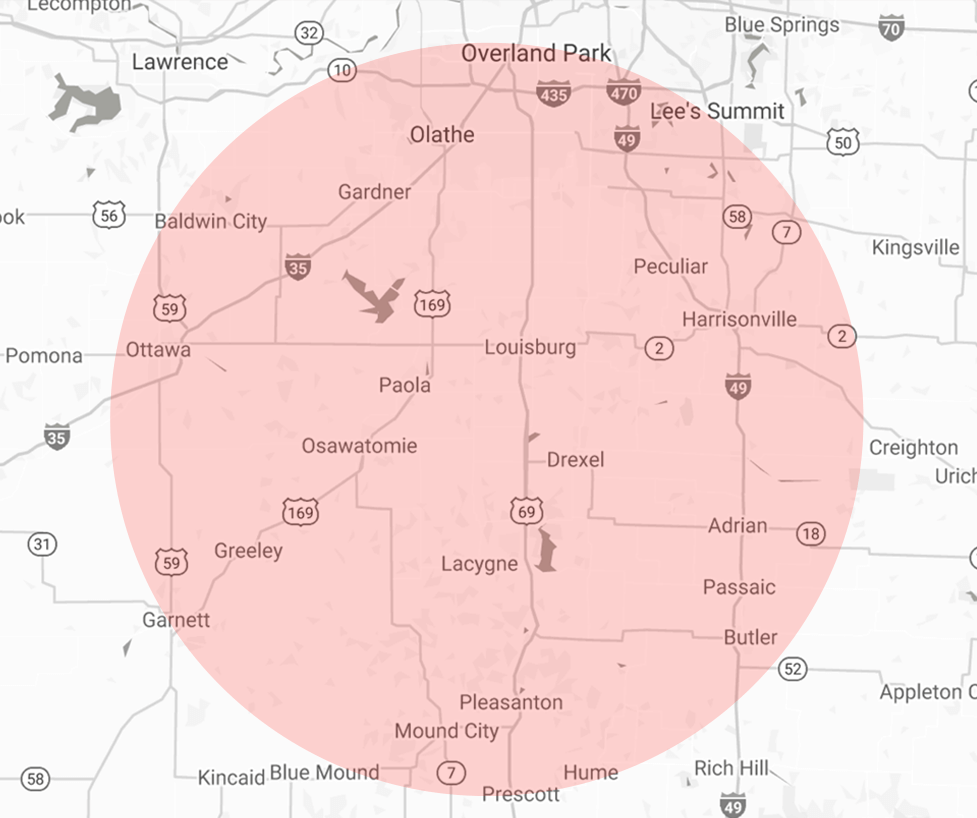
Got pests? Let’s fix that. We’ve helped folks all over Kansas kick out the bugs, mice, and more, and we’re ready to help you too. Whether it’s your first time calling or you’ve used us before, we treat every home with care and attention. No long waits, no pushy salespeople, just friendly help and real results.